


 0
0 2025 has been an incredible year for WordPress. Looking back at it, a lot of major events took place in the WordPress ecosystem.
Throughout the year, WordPress focused on upgrading the user experience. From core development and performance upgrades to ecosystem health and community dynamics, the year was shaped by decisions that favored stability, clarity, and long-term sustainability.
Read along with our WordPress 2025 Year in Review, where we’ll be going through all the remarkable achievements, significant events, changes, and updates that took place this year.
Let’s get started!
Quick Navigation
WordPress in 2025: By the Numbers
Before diving into features, releases, or ecosystem changes, it’s worth stepping back to look at the scale WordPress operated at in 2025. The numbers matter. They explain why decisions around stability, performance, and long-term planning carried so much weight this year.
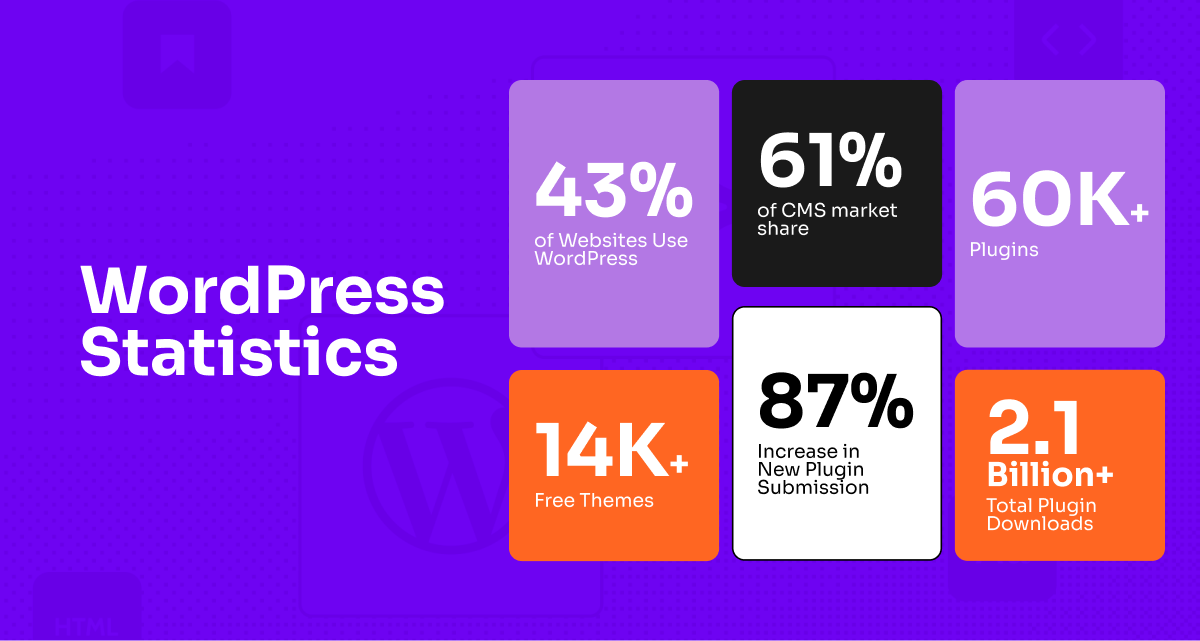
WordPress remained the most widely used website platform in the world.
In 2025, WordPress powered over 43% of all websites on the internet. Among sites that use a known content management system, WordPress held more than 61.4% of the CMS market share. These numbers put WordPress far ahead of any other platform and highlight the responsibility that comes with operating at this scale.
This level of adoption also explains why changes in WordPress often have ripple effects across the web. Even small improvements can impact millions of sites.
A Large and Expanding Ecosystem
The WordPress ecosystem continued to grow in size and complexity.
By 2025, the official plugin directory had over 60,000 plugins, covering everything from ecommerce and performance to security and automation. By the end of 2025, the total plugin download reached 2.1 billion downloads.
Another interesting statistics is that the new plugin submissions almost doubled (87% increase), with a lot of AI based plugins being introduced.
The theme directory included nearly 14,000 free themes, with many more available through commercial marketplaces. Block theme adoption grew over 40%, passing 1,000 themes in the repository.
This growth reinforced WordPress’s flexibility. At the same time, it increased the importance of plugin and theme quality. With so many options available, maintenance, performance, and compatibility became more important than raw feature counts.
Update Adoption and Platform Health
One positive signal in 2025 was update adoption.
A strong majority of WordPress sites were running recent core versions, showing that many site owners and developers actively maintained their installations. This behavior supports better security outcomes, smoother performance, and faster adoption of platform improvements.
Healthy update patterns also made it easier for core teams and plugin authors to move the platform forward without carrying excessive technical debt.
Why These Numbers Matter
Taken together, these statistics explain much of WordPress’s direction in 2025.
When a platform powers such a large share of the web, progress must be careful, measured, and reliable. Stability becomes just as important as innovation. Performance gains must work across many environments. Ecosystem decisions must account for both new and long-standing users.
The rest of this review builds on that reality. The choices WordPress made in 2025 make the most sense when viewed through the lens of scale.
Major WordPress Releases in 2025
WordPress shipped two major core releases in 2025, supported by regular maintenance and security updates throughout the year. Together, these releases revealed a clear pattern in how the platform chose to move forward.
The focus was not on adding many new features. Instead, WordPress aimed to improve what already existed and make it more reliable at scale.
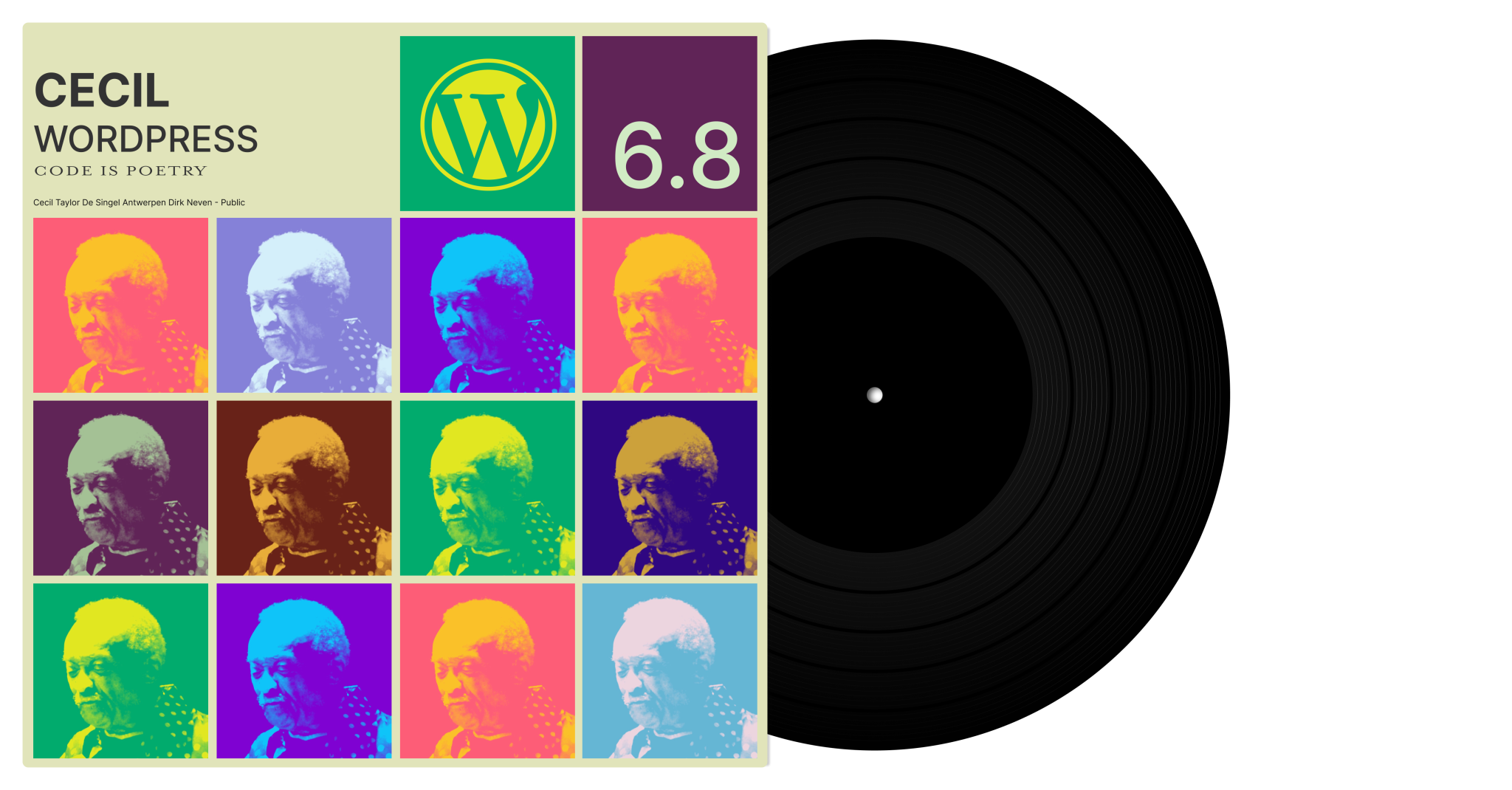
WordPress 6.8 “Cecil” (April 15, 2025)
WordPress 6.8 was the first major release of 2025 and shipped in April. It focused on refinement, performance, and security rather than introducing large new features. The release was named “Cecil” in honor of jazz pianist and composer Cecil Taylor.
WordPress 6.8 included hundreds of fixes and improvements across the editor, performance layers, and core security systems. 900 contributors from around the world helped shape this release, continuing WordPress’s long-standing tradition of global collaboration.
Here are the key highlights from WordPress 6.8 “Cecil”:
- Speculative loading to improve perceived page speed by preloading next pages.
- Style Book improvements for a clearer and more consistent design overview.
- Faster editor navigation and reduced UI friction.
- Stronger password security using modern hashing methods.
- Better handling of media, blocks, and global styles.
- Accessibility improvements across the admin and editor.
- Performance optimizations for both block and classic themes.
- Numerous bug fixes and stability improvements.
Overall, WordPress 6.8 set the tone for 2025 by focusing on smoother workflows, safer defaults, and better performance without disrupting existing sites.
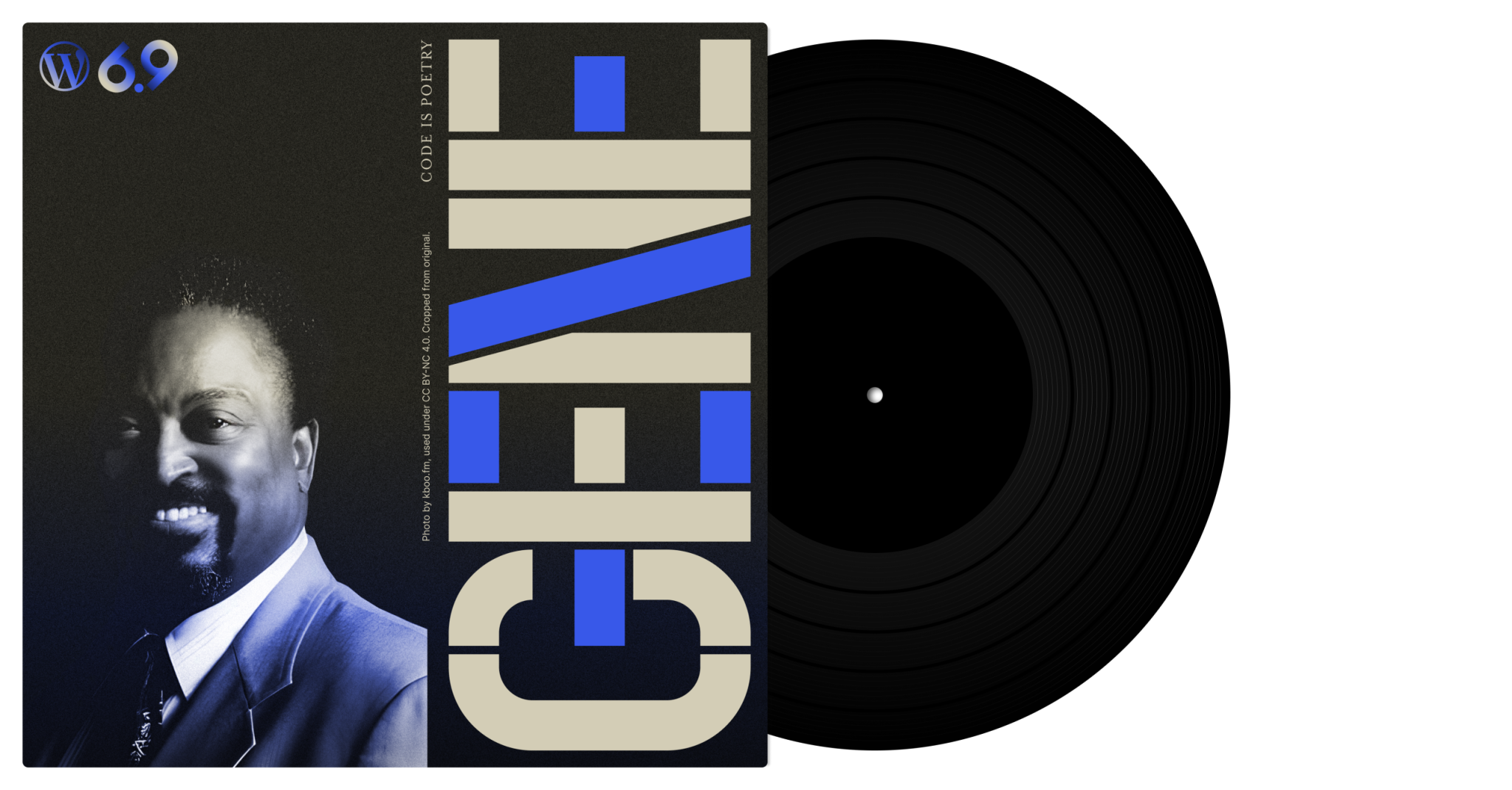
WordPress 6.9 “Gene” (December 2, 2025)
WordPress 6.9 was the second and final major release of 2025. It shipped in December and focused on collaboration, editor workflows, and performance, with several features aimed at reducing the need for extra plugins or custom code.
The release introduced improvements that made everyday content creation faster and easier, especially for teams and site owners managing larger sites.
Here are the key highlights from WordPress 6.9 “Gene”:
- Block-level Notes for leaving comments directly on specific blocks.
- Hide and Show blocks to toggle content visibility without deleting it.
- Visual drag-and-drop preview for easier block movement.
- Allowed Blocks UI to control which blocks can be used inside containers.
- New blocks, including Accordion, Term Query, Time-to-Read, Math, and Comment blocks.
- Starter patterns available across more post types.
- Fit Text option to automatically scale text within containers.
- Gallery aspect ratio controls and poster images for video Cover blocks.
- Dashboard-wide Command Palette for faster navigation and actions.
- Performance improvements like on-demand block CSS and optimized cron execution.
WordPress 6.9 closed the year by improving collaboration, editing speed, and performance, while keeping upgrades predictable and low risk.
Maintenance Releases Played a Bigger Role
Between these two major releases, WordPress shipped multiple maintenance and security updates. These updates fixed bugs, improved stability, and addressed edge cases found in real-world use.
In 2025, these smaller updates mattered more than usual. They helped ensure that improvements introduced in major releases worked well across many types of sites. They also reduced the cost of staying up to date for site owners and developers.
This steady maintenance cycle reinforced trust in the upgrade process.
What the Release Pattern Tells Us
Looking at the full year, a few signals stand out.
First, WordPress showed restraint. Scope was controlled. Features were polished instead of expanded. This reduced upgrade risk and made changes easier to adopt.
Second, performance and stability were treated as shared goals. Improvements were designed to benefit most sites by default, not just those with advanced setups.
Third, developer foundations were added quietly. Instead of pushing immediate change, WordPress focused on building systems that can support future features without disruption.
What Made 2025 Different
Compared to earlier years, WordPress in 2025 felt more predictable.
Releases arrived on time. Changes were easier to understand. Fewer surprises appeared after updates. For many site owners, this reliability was just as valuable as new features.
For developers, it sent a clear message. The platform is moving forward, but it is doing so carefully and with long-term maintenance in mind.
These core releases set the tone for the rest of the year. They also shaped how performance, security, and ecosystem quality were discussed across the community.
WordPress Community Highlights: WordCamp That Brought Community Together
Community activity remained a strong pillar of WordPress in 2025. Throughout the year, the ecosystem hosted a wide range of events, from large flagship WordCamps to regional gatherings and Campus Connect programs.
Latest data from WordPress says that 100+ WordCamps took place, engaging over 100,000 attendees and 5200+ organizers. Events took place across more than 39 countries, reflecting the platform’s global reach and active local communities. This includes 18 Campus Connect and 14 Women’s Day events.
Not only that, learn.wordpress.org engaged over 1.5 million learners in 2025, and paved the way to more structured programs like Campus Connect and WordPress credits.
Flagship WordCamps All Around The World
WordCamps represent the largest and most influential gatherings in the WordPress ecosystem. They bring together contributors, developers, agencies, and product teams from around the world and often serve as checkpoints for reflecting on the platform’s progress.
In 2025, these events provided space for deeper discussions around performance, sustainability, contribution, and the future direction of WordPress. They also helped align community efforts across regions before insights and ideas flowed back into local and regional events.
Let’s have a look into some of the flagship and most popular WordCamps in 2025.
WordCamp Asia
WordCamp Asia 2025 highlighted the growing strength of the WordPress community across Asia-Pacific. Hosted in Manila, the event brought together contributors, developers, and organizers from across the region, with a strong focus on contribution, community building, and regional collaboration. It reinforced Asia’s role as an increasingly important part of the global WordPress ecosystem.
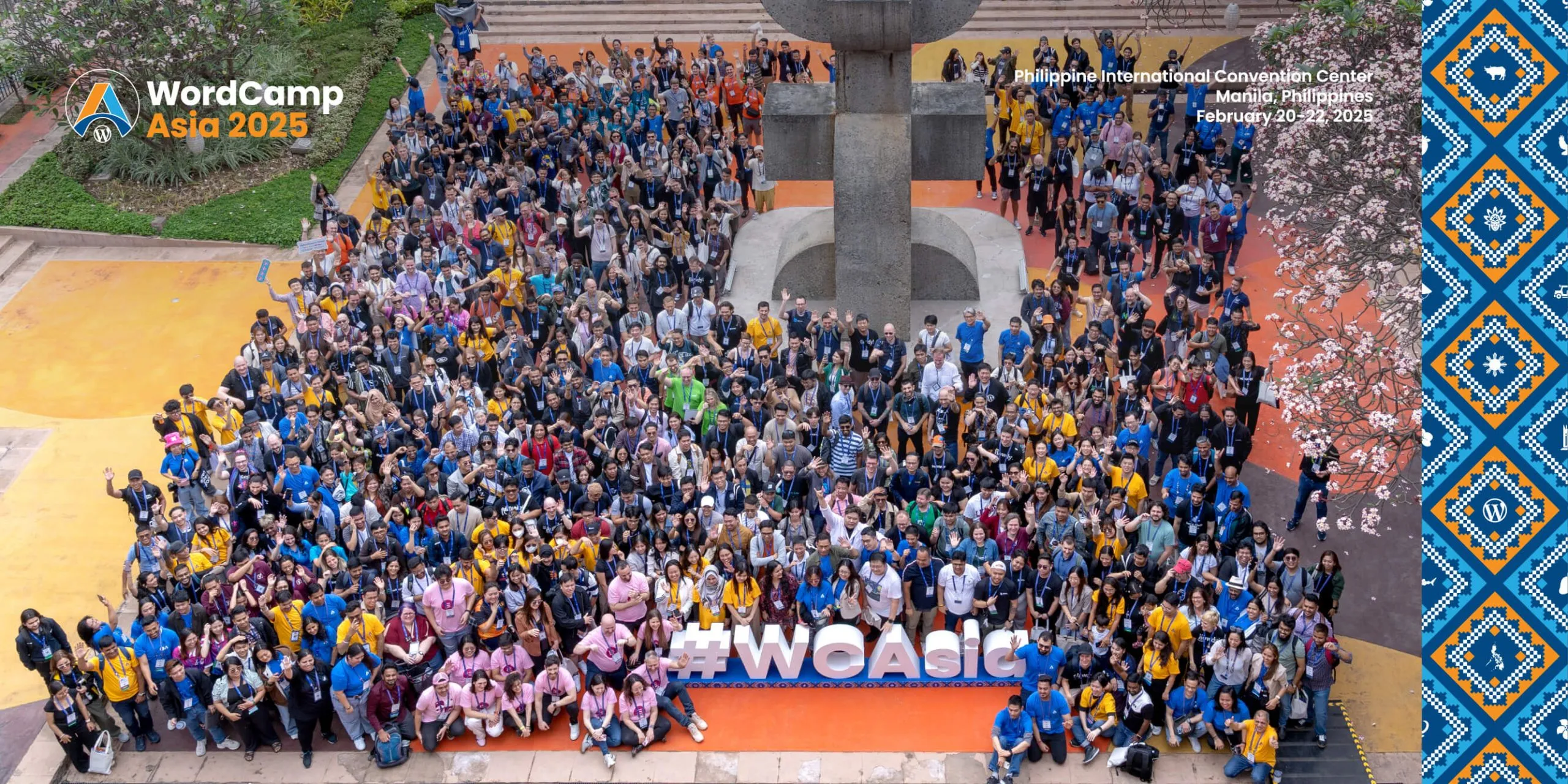
Here are the highlights of the event:
Venue: Manila, Philippines at the Philippine International Convention Center (PICC)
- Participants: 1400+
- Speakers: 47
- Organizers: 165
- Sponsors: 38
WordCamp Europe
WordCamp Europe 2025 was one of the largest WordPress gatherings of the year. Hosted in Basel, a city known for its central location and strong tech culture, the event drew a global audience for deep technical talks, contributor collaboration, and ecosystem-wide discussions that helped shape WordPress priorities in 2025.
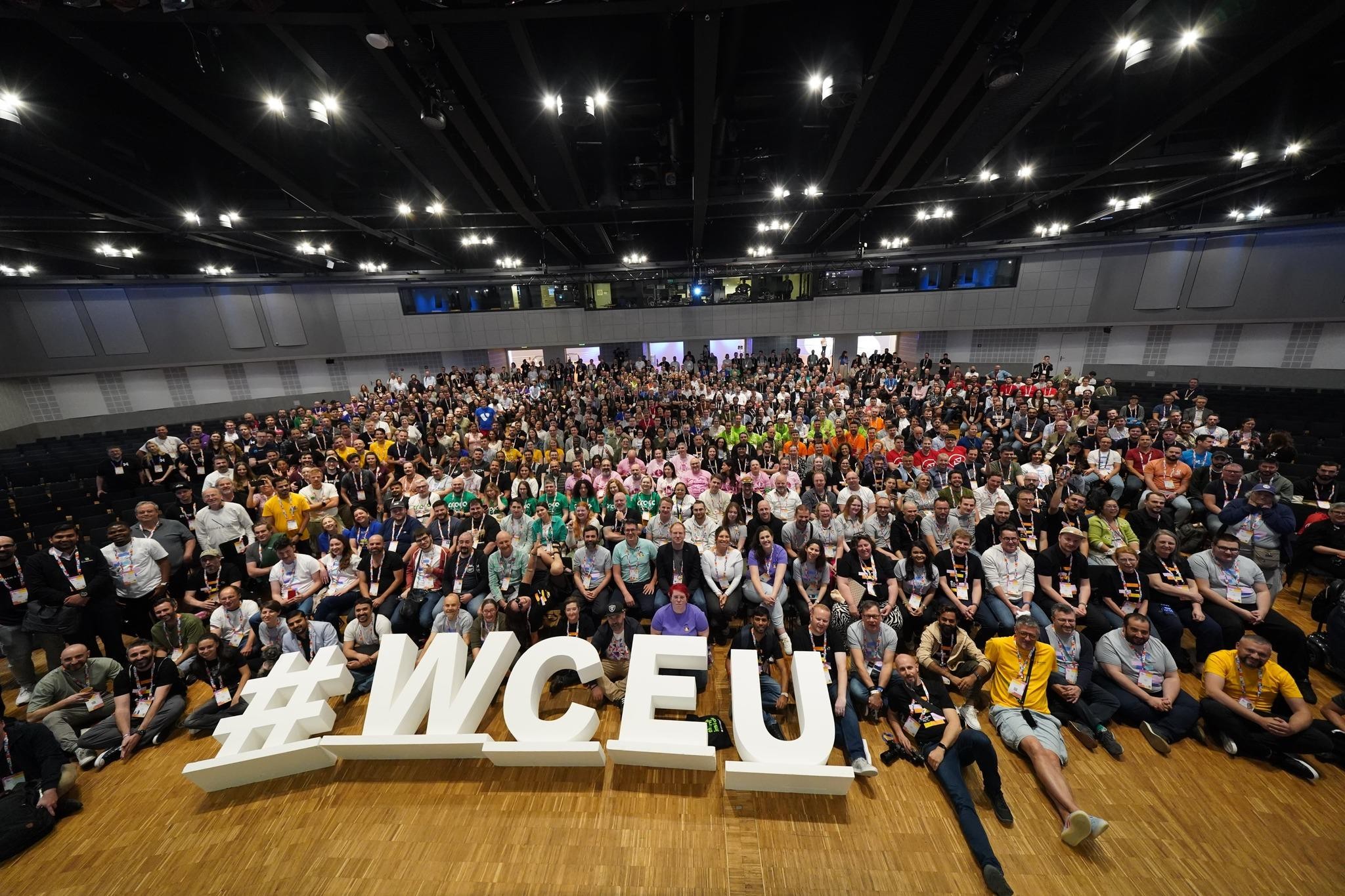
Here are the highlights of the event:
Venue: Basel, Switzerland at Messe Basel and Congress Center
- Participants: 2,000+
- Speakers: 60+
- Organizers: 81
- Sponsors: 27
WordCamp US
WordCamp US 2025 was another flagship WordCamp bringing together WordPress enthusiasts from all over North America and the LATAM region. Hosted in Portland, a city with a strong open-source and tech culture, the event featured technical sessions, hands-on workshops, and a dedicated Contributor Day.

Discussions focused on core development, performance improvements, and sustainable contribution practices, making it a key touchpoint for collaboration and knowledge sharing in 2025.
Here are the highlights of the event:
Venue: Portland, Oregon at Oregon Convention Center
- Participants: 1500+
- Speakers: 56
- Organizers: 27
- Sponsors & Supporters: 40+
Regional WordCamps In Central Locations
Regional WordCamps played a crucial role in shaping the WordPress ecosystem in 2025. While flagship events brought the global community together, regional WordCamps ensured that WordPress remained accessible, relevant, and active at a local level.
Throughout the year, dozens of regional WordCamps were organized across Asia, Europe, Africa, and the Americas. Cities in countries such as India, Bangladesh, Nepal, Uganda, Spain, Portugal, Poland, Brazil, Nigeria, Malaysia, and Canada hosted events that reflected the needs and strengths of their local communities.
What made regional WordCamps stand out in 2025 was their practical focus. Sessions often centered on real-world topics like site performance, security, freelancing, ecommerce, and building sustainable WordPress businesses. Many events also featured first-time speakers and attendees, helping lower the barrier to entry for new community members.
These WordCamps reinforced WordPress’s decentralized community model. By empowering local organizers and volunteers, regional events strengthened grassroots participation while feeding ideas, contributors, and momentum back into the global ecosystem.
Let’s have a look at some of the notable regional WordCamp events that took place in 2025.
WordCamp Ahmedabad
WordCamp Ahmedabad 2025 highlighted the strength of India’s growing WordPress community. Hosted in Ahmedabad, a major tech and startup hub, the event brought together developers, creators, and students for practical sessions, local networking, and open-source collaboration, reinforcing the city’s role in the wider WordPress ecosystem.
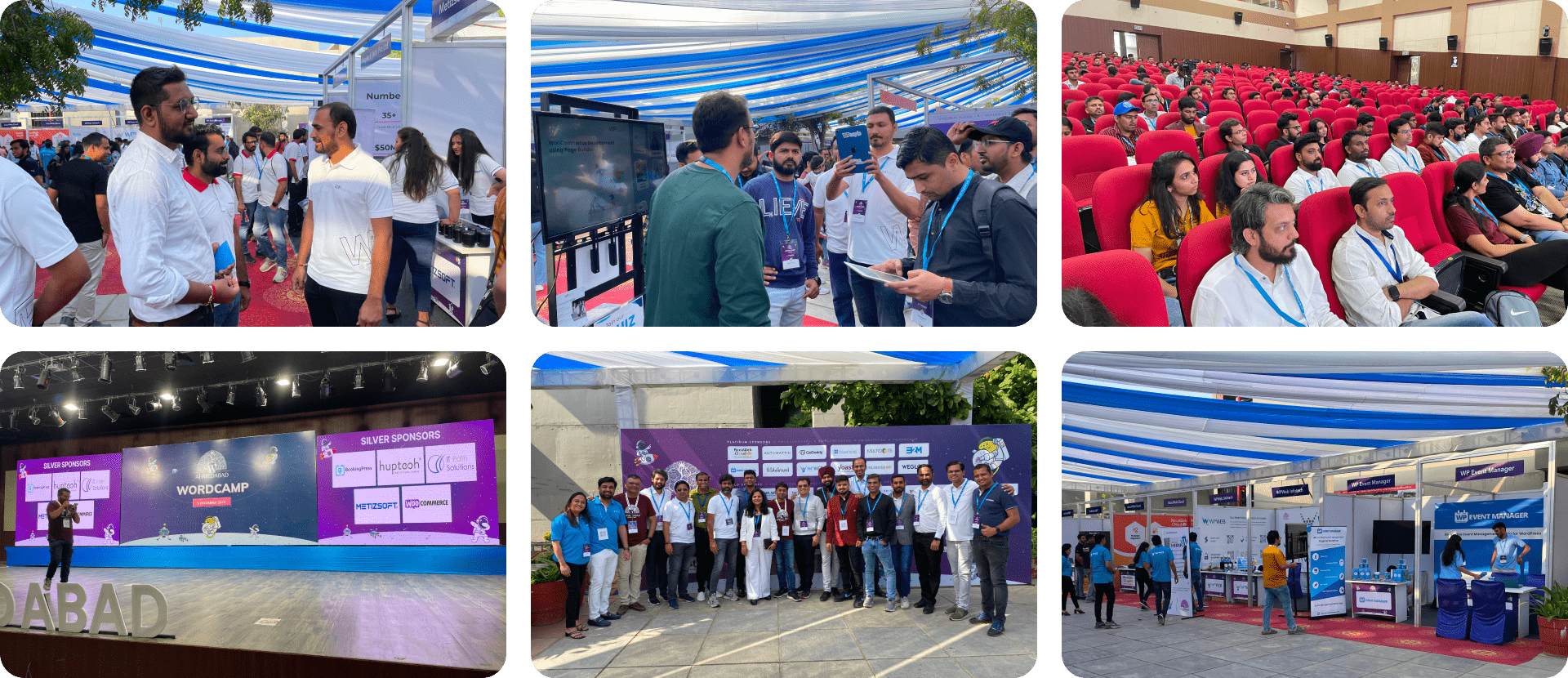
Here are the highlights of the event:
Venue: Ahmedabad, Gujarat at AUDA Auditorium, Shela
- Participants: 1200+
- Speakers: 17
- Organizers: 30
- Volunteers: 46
- Sponsors: 27
WordCamp Dhaka
WordCamp Dhaka 2025 showcased the depth and momentum of Bangladesh’s thriving WordPress community. Being organized in Dhaka, a city with a fast-growing digital workforce, the event focused on practical WordPress use, freelancing, and career growth.
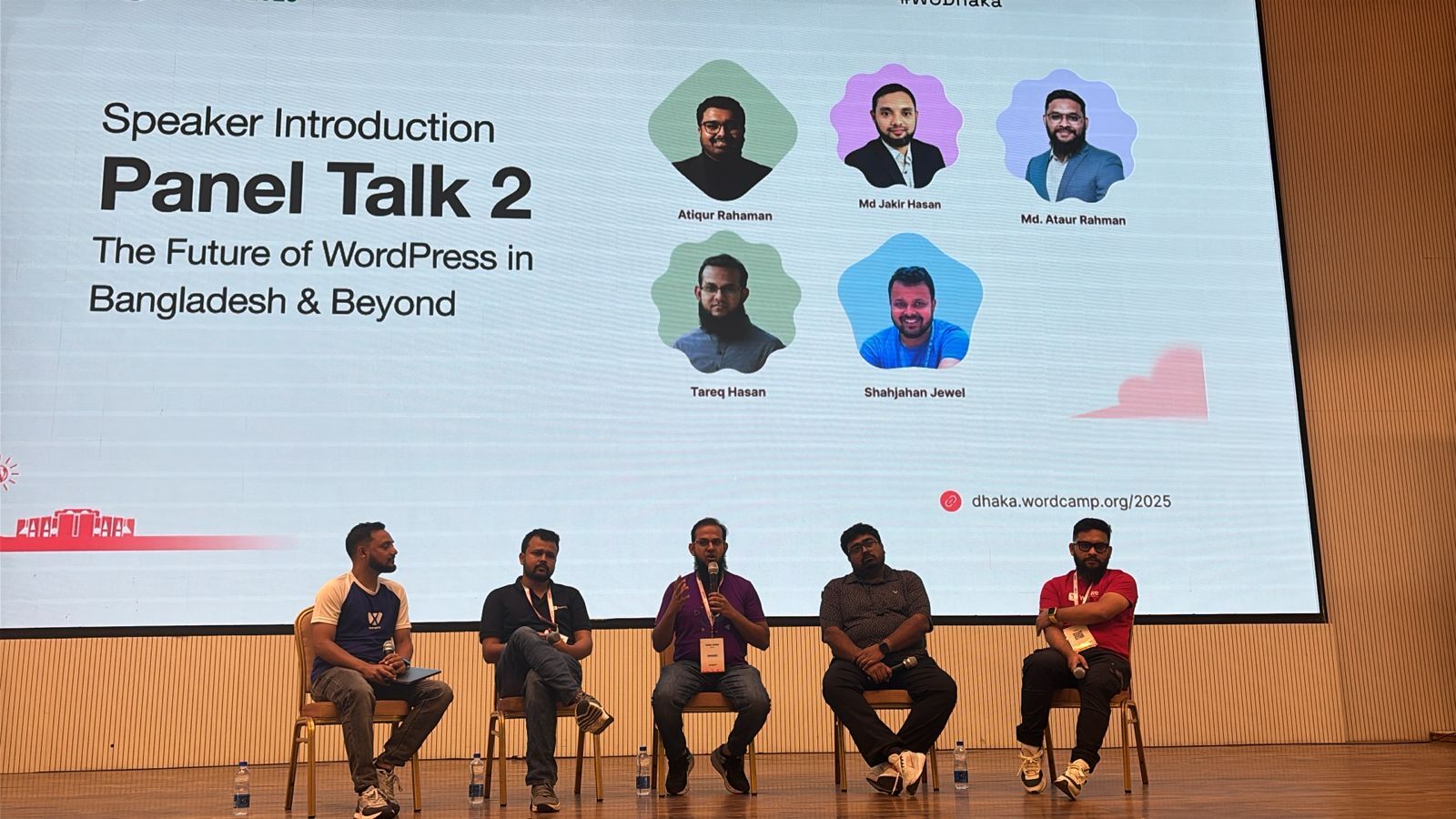
The event showcased a strong presence from students and early-career professionals and it served as an example of how regional WordCamps help build skills and confidence at the local level.
Here are the highlights of the event:
Venue: Matikata, Dhaka, at Senaprangan Convention Hall
- Participants: 1250+
- Speakers: 22
- Organizers: 34
- Volunteers: 60+
- Sponsors: 36
WordCamp Canada
WordCamp Canada 2025 brought together WordPress professionals from across the country in the nation’s capital. Hosted in Ottawa, the event balanced technical depth with business and agency-focused discussions.
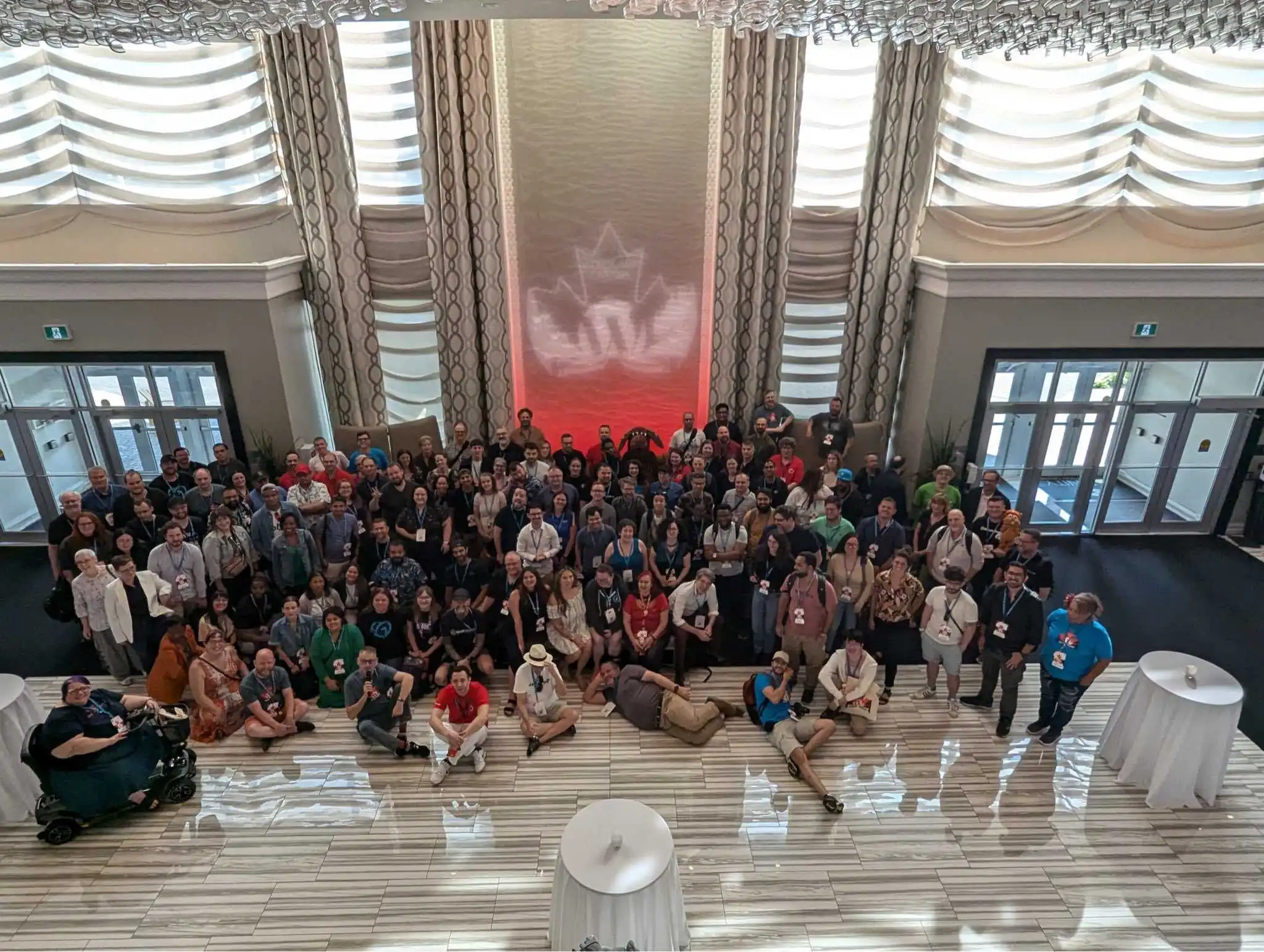
Sessions covered performance, accessibility, and modern development practices, while Contributor Day encouraged collaboration across teams, reflecting the maturity and diversity of Canada’s WordPress community.
Here are the highlights of the event:
Venue: Ottawa, Ontario at Carleton University‘s Richcraft Hall
- Participants: 350+
- Speakers: 27
- Organizers: 8+
- Volunteers: 30+
- Sponsors: 30+
WordCamp Nepal
WordCamp Nepal 2025 reflected the steady growth of the WordPress community in Nepal and the surrounding region. Hosted in Kathmandu, the event brought together developers, freelancers, agency owners, and students for discussions focused on practical WordPress use, career development, and local business adoption.
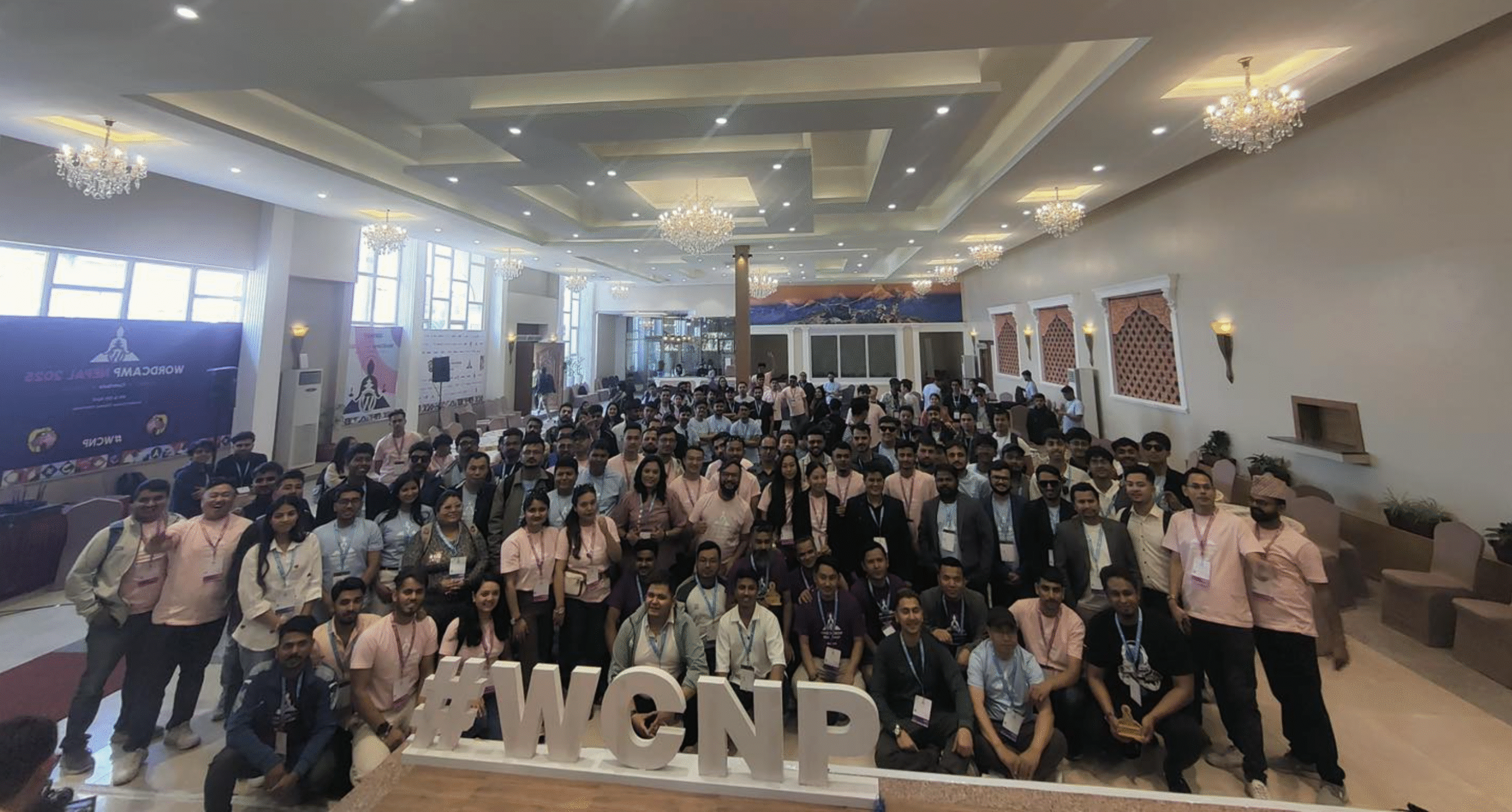
What made WordCamp Nepal stand out was its strong community-driven approach. Sessions covered real-world topics such as freelancing, performance, and site building. The event highlighted how regional WordCamps continue to play a vital role in nurturing local talent and strengthening WordPress adoption at a grassroots level.
Here are the highlights of the event:
Venue: Butwal, Kathmandu at Manigram Bishram Batika
- Participants: 580+
- Speakers: 21
- Organizers: 32
- Volunteers: 25
- Sponsors: 36
State of the Word 2025
On December 2, 2025, WordPress co-founder Matt Mullenweg delivered the annual State of the Word keynote in San Francisco, joined by hundreds of community members in person and a global audience watching via live streams and watch parties.
The event marked the 20th State of the Word since the first address in 2006, offering both reflection and a forward-looking view of the project.
The keynote opened with Mary Hubbard, WordPress Executive Director, who reflected on her first full year in the role. She emphasized how contributors, educators, students, and organizers across regions continue to shape WordPress through participation, teaching, and leadership.
Her message set the tone for the event: WordPress grows because people show up, build in the open, and invest in one another.
Matt Mullenweg followed with a wide-angle view of WordPress in 2025. He shared updated platform metrics, including WordPress powering over 43% of the web, strong multilingual growth, and continued expansion across plugins, themes, and contributors.
The ecosystem surpassed 60,000 plugins, approached 2.1 billion plugin downloads, and saw record participation in recent core releases.
One of the most memorable moments was the live, on-stage release of WordPress 6.9, demonstrating the maturity, reliability, and confidence of the project’s release process, supported by thousands of contributors worldwide.
AI was a major focus of the keynote. Matt outlined WordPress’s infrastructure-first approach, highlighting the Abilities API and MCP adapter, which allow AI tools to interact with WordPress safely and predictably.
The event also highlighted progress in editor workflows and collaboration, including block-level notes, refined design tools, and foundational work toward future real-time editing.
Updates from Gutenberg and developer teams showed how WordPress is laying long-term groundwork without disrupting existing sites.
Community growth remained central. The keynote celebrated more than 81 WordCamps across 39 countries, thousands of volunteers, nearly 100,000 attendees, and strong engagement across Learn WordPress, Campus Connect, and youth-focused initiatives. These efforts reinforced WordPress’s focus on education, accessibility, and global inclusion.
State of the Word 2025 closed with a clear message. While technology continues to evolve, WordPress remains guided by its core values: openness, user freedom, shared ownership, and community participation.
These principles continue to shape the platform’s direction well beyond 2025.
Strengthening Security & Trust
Security was not the most visible theme of WordPress in 2025, but it was one of the most important. Rather than reacting to major incidents, WordPress focused on strengthening core security foundations and reducing long-term risk across millions of sites.
One of the most significant improvements came with WordPress 6.8, which introduced bcrypt-based password hashing.
This change replaced older hashing methods with a more modern and resilient approach, making stored passwords far harder to crack even if a database were compromised. Importantly, this upgrade happened quietly in the background and required no action from site owners.
Beyond password security, WordPress continued to ship regular security and maintenance releases throughout the year. These updates addressed vulnerabilities, edge cases, and compatibility issues before they could escalate into larger problems.
Faster patch cycles and improved update adoption meant fixes reached a large portion of the ecosystem quickly.
Massive Adoption of AI in WordPress
In 2025, WordPress took a measured and infrastructure-first approach to AI. Instead of pushing AI features directly into core, the project focused on building the foundations needed for safe, extensible, and interoperable AI integration.
During the State of the Word keynote, Matt Mullenweg reflected on how he encouraged the community to “learn AI deeply” as early as 2022. Since then, the pace of change has exceeded expectations, and AI has become part of everyday workflows.
Rather than rushing AI features into core, WordPress focused on building strong foundations. The most important step in 2025 was the introduction of the Abilities API and the MCP adapter.
The Abilities API defines what WordPress can do in a structured way, while the MCP adapter exposes those abilities through a shared protocol. Together, they allow AI tools to interact with WordPress safely and predictably, without fragile or custom integrations.
If we do a good job of listening to our users, serving our community, and, you know, being responsible to our core values, open source software earns the right to become sort of a default that people like to use. – Matt Mullenweg
Matt also highlighted how developers already use AI tools like Cursor, Claude Code, and modern CLIs. These tools can explore large codebases, generate tests, refactor components, and automate tasks. They do not replace developers. They help individuals do more with better context.
On the creative side, WordPress introduced Telex, an experimental system that turns natural language into Gutenberg blocks. Real examples showed creators using Telex to build practical tools and workflows that once required custom development.
AI adoption is also happening across the wider ecosystem. Hosting companies, page builders, and plugins now use AI for site creation, layout generation, content writing, and SEO support. At the same time, WordPress raised an important question: which AI features should live inside WordPress, and which should remain external tools that work through the browser or operating system.
To support responsible growth, WordPress began developing AI benchmarks and evaluation tools. These shared tests aim to ensure that AI systems understand WordPress tasks correctly and behave consistently across sites.
By the end of 2025, WordPress had not fully adopted AI. Instead, it made a careful choice to treat AI as infrastructure. This approach prepared the platform for intelligent tools while keeping control in the hands of users and developers.
Gutenberg Phase 3 Updates
In 2025, Gutenberg’s Phase 3 continued to focus on collaboration and smoother content workflows. This phase is about improving how teams work together inside WordPress, tying different parts of the editor and admin into a more seamless experience.
The official Phase 3 update in November highlighted what was completed, what is in progress, and what comes next. Phase 3 work in 2025 focused on three key areas: real-time editing, asynchronous feedback, and improved admin interfaces.
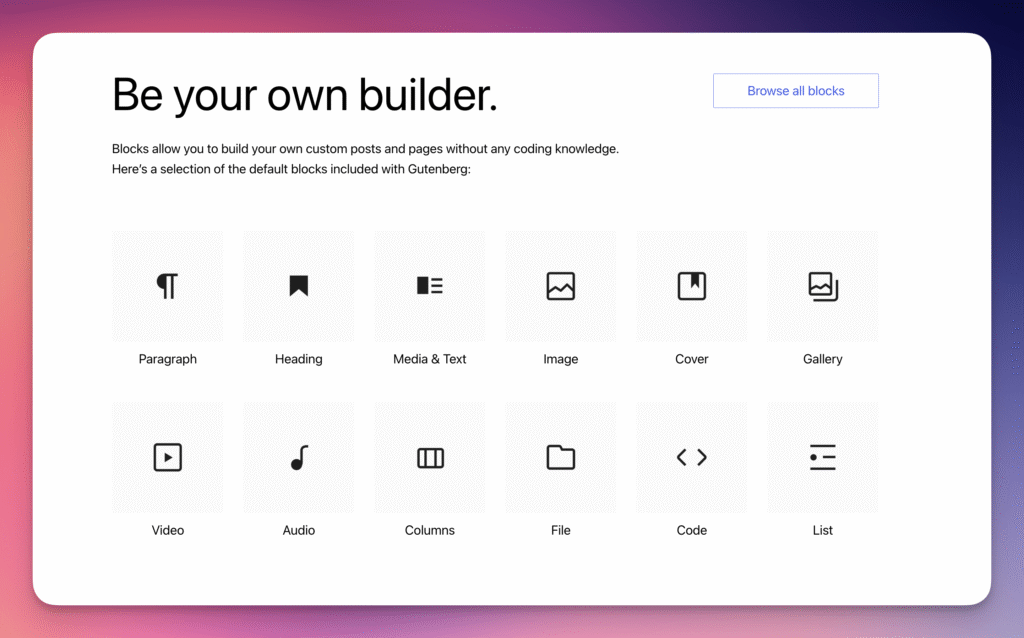
One notable outcome in 2025 was the inclusion of Block-level Notes in WordPress 6.9.
This feature allows users to leave threaded feedback on blocks, helping teams review and refine content directly in the editor rather than relying on external tools or comments systems.
Behind the scenes, work continued on real-time collaboration mechanisms. This effort aims to allow multiple users to edit content simultaneously, with syncing, presence indicators, and stable merges.
While full real-time editing is not yet part of core WordPress, progress throughout the year laid the groundwork for its expected introduction in WordPress 7.0.
Phase 3 also explored improvements to admin workflows through new patterns like DataView and DataForm components. These features help standardize how lists and forms behave, making content management and navigation more flexible and consistent.
Overall, Phase 3 in 2025 did not produce one headline feature. Instead, it advanced multiple collaborative foundations and made early collaboration tools part of the platform. These efforts reflect a careful, step-by-step approach that aligns with WordPress’s focus on stability and user experience throughout the year.
Telex and the Future of Block Creation
In 2025, WordPress introduced Telex, an experimental AI-powered tool that rethinks how Gutenberg blocks are created.
Built by the Automattic AI team, Telex allows users to generate fully functional WordPress blocks using natural language prompts, without requiring prior knowledge of React, JavaScript, or block APIs.
Telex works by turning a prompt into a complete block plugin, previewed instantly in the browser using WordPress Playground.
Users can refine results through follow-up prompts, edit the generated code directly, and then download or share the block as a plugin. No local setup is required.
Site owners can build small custom features. Agencies and freelancers can prototype quickly. Developers can use it for fast scaffolding. New contributors can learn by inspecting real, working block code. While results vary and the tool remains experimental, Telex showed how AI can remove friction without hiding WordPress fundamentals.
Don’t just build software. Don’t just build a product. Try to build a movement, you know, build something that people can believe in. – Matt Mullenweg
Telex is not an AI website builder. Instead, it focuses on creating small, functional tools as blocks. Throughout 2025, it served as a practical example of WordPress’s AI philosophy: assist creators, reduce barriers, and keep users in control.
What’s Next for WordPress in 2026
WordPress has a clear direction forward – rather than chasing short-term trends or headline features, they are laying the foundations towards a stable platform.
Let’s have a look at some of the exciting works in progress.
Real-Time Collaboration and WordPress 7.0
One of the most anticipated developments is real-time collaboration. Throughout 2025, collaboration features progressed quietly but steadily, moving from concepts to real-world testing.
Block-level Notes, introduced in WordPress 6.9, marked the first visible step. Behind the scenes, WordPress teams continued working on presence indicators, syncing mechanisms, and conflict resolution systems required for true co-editing.
While full co-editing is not yet part of core, the groundwork strongly suggests that WordPress 7.0 will build directly on these efforts.
AI as Infrastructure, Not a Feature
WordPress has been vocal about integrating AI for assisted workflows. Instead of embedding AI buttons across the admin, WordPress focused on building systems that allow AI tools to interact with WordPress safely and consistently.
The most important developments were the Abilities API and the MCP adapter. This allows external tools and AI agents to talk with each other so that users can make changes without custom integrations.
Alongside this, WordPress introduced reference implementations such as the AI Experiments plugin and shared AI client libraries. These tools serve two roles. They allow early adopters to test AI-driven workflows, and they provide developers with clear patterns for building integrations that respect permissions, transparency, and user control.
Looking ahead, AI in WordPress will likely appear through hosting dashboards, developer tools, and optional assistants rather than as mandatory core features. This keeps AI flexible, opt-in, and adaptable to different use cases.
Telex, Playground, and Faster Experimentation
Tooling improvements were another quiet but important theme in 2025. Projects like Telex, WordPress Playground, and WordPress Studio significantly reduced the friction involved in learning, testing, and building with WordPress.
Telex demonstrated how AI can help users generate functional Gutenberg blocks from natural language prompts. While still experimental, it showed practical value for prototyping, learning block structure, and scaffolding small features without complex setup.

At the same time, WordPress Playground and Studio matured into reliable environments for testing plugins, themes, and experimental code directly in the browser. Improvements to Blueprints, plugin support, and the Playground CLI made it easier to spin up reproducible WordPress environments in seconds.
Together, these tools point to a future where experimentation becomes faster, safer, and more accessible without replacing traditional development workflows.
Safer Updates and Ecosystem Health
Security and stability will remain central priorities. The plugin vulnerability incidents seen throughout 2025 reinforced the need for better safeguards across the ecosystem.
WordPress responded by continuing work on safer update mechanisms and improving developer tooling. The Plugin Check tool plays a key role here, helping authors identify compatibility, security, and standards issues early in the development process.
Future improvements are expected to focus on reducing partial update failures, improving recovery paths, and providing clearer signals around plugin quality. These changes aim to lower risk for site owners while making maintenance easier and more predictable.
Hosting and Platform Integration
Many of WordPress’s future capabilities depend on hosting support. This is especially true for AI integrations, collaboration features, and performance enhancements.
The design of the MCP adapter and Abilities API requires involvement from hosting partners.
Hosts are expected to manage credentials, enforce limits, and offer curated integrations that site owners can enable without complex configuration.
In the coming years, hosting platforms will play a larger role in how advanced WordPress features are delivered. This includes managed AI assistants, safer update flows, and collaboration services that work consistently across environments.
A Measured Path Forward
Taken together, these efforts point to a consistent philosophy. WordPress is not rushing toward the future.
Real-time collaboration is being tested before release. AI is being treated as infrastructure rather than decoration. Tooling improvements focus on learning and experimentation. Security work emphasizes prevention over reaction.
As WordPress moves into 2026, progress will likely continue to look incremental on the surface. But beneath that surface, the platform is positioning itself for long-term sustainability at global scale.
That approach defined WordPress in 2025. It is also what will shape what comes next.
Let’s Recap: What Defined WordPress in 2025
2025 was not a year of dramatic shifts for WordPress. It was a year of consolidation, maturity, and intentional progress.
Core releases focused on refinement rather than expansion, while maintenance and security updates played a larger role in keeping millions of sites healthy and up to date.
The ecosystem continued to grow at scale. Plugin and theme adoption increased, block themes gained momentum, and update adoption remained strong. At the same time, quality, compatibility, and long-term maintenance became more important than raw feature counts, reflecting a more mature platform operating at global scale.
Community remained a defining force. Flagship and regional WordCamps across dozens of countries, strong participation in Learn WordPress, Campus Connect, and youth initiatives all reinforced WordPress’s decentralized, people-driven model.
2025 also marked a clear shift in how WordPress approaches the future. AI was treated as infrastructure, not a feature, with the introduction of the Abilities API, MCP adapter, and experimental tools like Telex.
With all the amazing updates right around the corner, WordPress is still on track to remain the most popular CMS in the world.
Let’s celebrate the achievements of 2025, embrace the opportunities that lie ahead, and continue building the future of the web together. Here’s to a better 2026 year onwards! 🎉



 Email Subscription Request


Add your first comment to this post